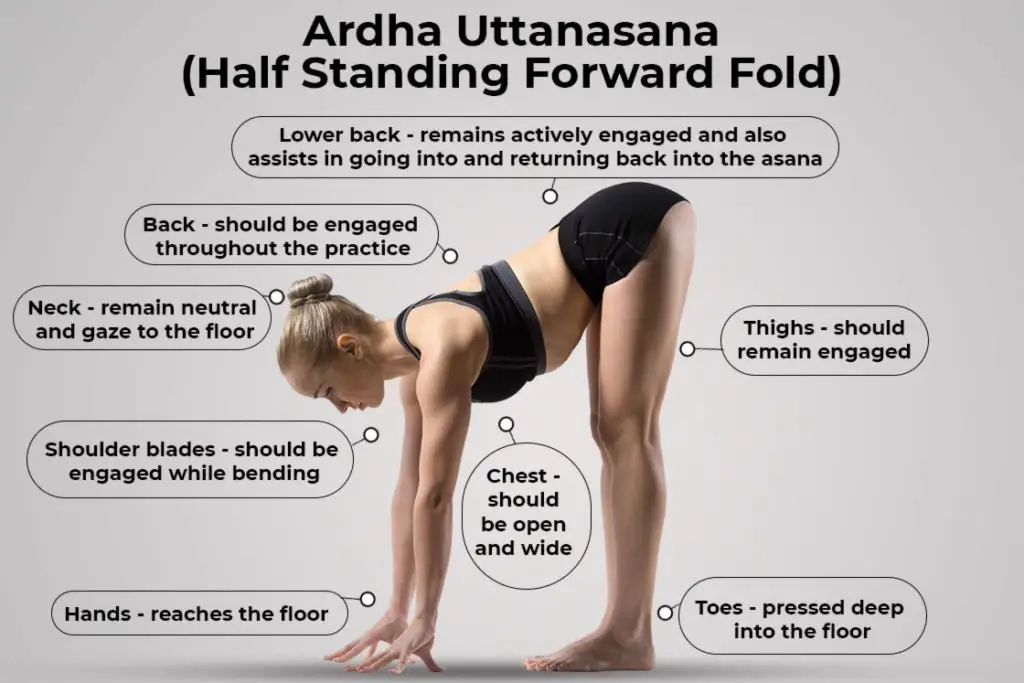
Standing Forward Bend (Uttanasana): A Pose for Releasing Tension
The Standing Forward Bend, known as Uttanasana in Sanskrit, is a classic yoga posture valued for its ability to calm the mind, release tension through the entire upper body, and provide a deep stretch to the back body. Uttanasana is commonly practiced in yoga classes worldwide, from gentle flows to vigorous sequences, thanks to its therapeutic benefits for both body and mind.
The Essence of Uttanasana
Uttanasana is a simple yet powerful pose involving a deep forward fold from a standing position. The posture primarily targets:
Lengthening the hamstrings and spine
Releasing tension in the neck, shoulders, and back
Encouraging relaxation and mental clarity
How to Practice Standing Forward Bend
Begin in Standing Position (Tadasana):
Stand tall with your feet hip-width apart. Engage your thighs and lift through the crown of your head.
Hinge Forward:
On an exhale, hinge at your hips and fold forward, keeping your spine long.
Allow your upper body to drape over your legs without forcing the movement.
Relax the Upper Body:
Let your head hang heavy and your neck soften. Draw your shoulders away from your ears.
If possible, place your hands on the floor beside your feet or grab opposite elbows.
Maintain Length:
Avoid rounding your back excessively. Keep a gentle bend in the knees if needed.
With each breath, allow your torso to release deeper toward your legs.
To Come Up:
Engage your core. On an inhale, gently rise back up, rolling up slowly to standing.
Key Benefits
Releases Neck, Shoulder, and Back Tension: The gentle inversion allows gravity to release tightness from these areas, promoting muscular relaxation.
Lengthens Hamstrings & Spine: Stretching the posterior chain improves flexibility and posture. Over time, the hamstrings gain length, and spinal decompression helps maintain a healthy back.
Reduces Stress and Fatigue: The posture calms the mind, relieves anxiety, and triggers the body’s relaxation response.
Improves Circulation: The inverted position increases blood flow to the brain and upper body.
Supports Digestion: The gentle abdominal compression may aid digestive health.
Tips for Safe Practice
Modify as Needed: If hamstring or back tightness limits your range, bend your knees as much as needed, or place your hands on yoga blocks.
Protect Your Lower Back: Always hinge at the hips, not the waist, to prevent strain.
Neck Care: Let your head be heavy and relaxed; avoid tensing or craning the neck.
When to Avoid or Modify
While Uttanasana is generally safe, those with lower back injuries, herniated discs, or high blood pressure should approach with caution or consult a health professional before practicing.
Integrating Uttanasana Into Practice
Uttanasana can be performed as part of a Sun Salutation sequence or as a standalone posture to break up long periods of sitting, helping counteract postural tension from daily life.
Final Thoughts
Standing Forward Bend (Uttanasana) is a foundational yoga pose offering physical and mental benefits—relieving tension in the neck, shoulders, and back while lengthening the hamstrings and spine. Regular, mindful practice can transform how your body feels, supporting overall health and well-being.
References:
Yoga Journal – Uttanasana (Standing Forward Bend) Pose Guide
Harvard Health Publishing – Yoga for Flexibility and Back Health