1. Introduction: The Warrior Within
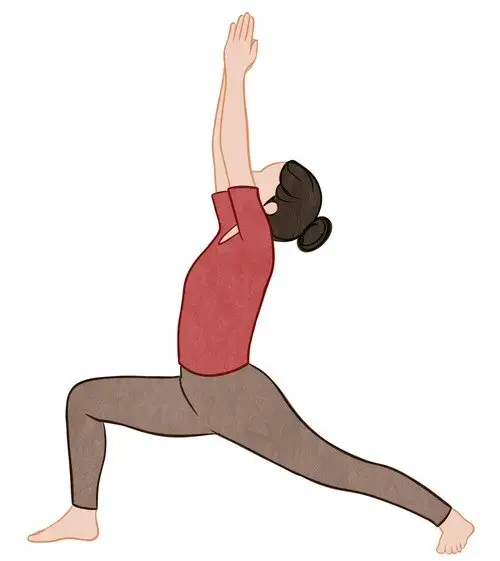
Virabhadrasana It isn’t just a yoga pose—it’s a declaration. With one foot rooted behind and the other lunging forward, arms raised to the sky, Warrior I channels the energy of someone stepping boldly into their purpose. It’s a physical embodiment of positive confidence: grounded, expansive, and unwavering.
For beginners, this pose becomes a gateway to transformation. The alignment demands presence, the breath invites calm, and the gaze forward symbolizes vision. Practicing Warrior I daily is like whispering to your nervous system, “I am safe. I am strong. I am ready.”
Whether you’re facing a new challenge, healing from self-doubt, or simply seeking clarity, Warrior I offers a ritual of empowerment. It’s not about perfection—it’s about presence.
2. Origins of Warrior I: Mythology Meets Movement
The name Virabhadrasana comes from Virabhadra, a fierce warrior born from Lord Shiva’s lock of hair. The myth goes: when Shiva’s beloved Sati immolated herself in protest of her father’s disrespect, Shiva’s grief turned into rage. From that fury, he created Virabhadra—a being of immense power and purpose—to restore cosmic balance.
This story isn’t just mythological drama—it’s a metaphor for channeling pain into purpose. Warrior I reflects Virabhadra’s first appearance: rising from the earth, sword raised, gaze fixed. When we step into this pose, we’re not just stretching—we’re invoking that same energy of focused strength and emotional clarity.
In modern practice, Warrior I becomes a bridge between ancient symbolism and personal transformation. It reminds us that even in sorrow, we can rise. Even in chaos, we can find alignment.


3. Anatomy of Confidence: The Physical Breakdown
Warrior I (Virabhadrasana I) is a full-body declaration of strength. Every joint, muscle, and gaze direction contributes to a posture that radiates grounded confidence. Let’s break it down:
🔹 Feet
Back foot angled at 45°, pressing into the outer edge—symbolizes stability and rootedness.
Front foot faces forward, knee stacked over ankle—represents forward momentum and clarity.
🔹 Legs
Quadriceps and hamstrings engage to stabilize the pelvis.
Glutes activate to support hip alignment and emotional grounding.
🔹 Hips
Square the hips forward—this requires core engagement and flexibility in the hip flexors.
Symbolically, this alignment reflects facing challenges head-on.
🔹 Spine and Core
Elongated spine with neutral pelvis—activates the bandhas (core locks) and supports energetic lift.
This upright posture signals dignity and self-worth.
🔹 Arms and Shoulders
Arms reach upward, palms facing or touching—activates deltoids, triceps, and upper back.
Shoulders remain relaxed, symbolizing strength without tension.
🔹 Gaze (Drishti)
Eyes forward or slightly upward—cultivates vision, focus, and inner direction.
Together, these elements create a pose that’s both physically powerful and emotionally affirming. Practicing Warrior I with awareness transforms posture into presence.
4. Breath and Bandhas: Fueling Inner Fire
Warrior I becomes truly transformative when paired with pranayama and bandha activation. These internal techniques stoke the energetic fire and deepen the emotional impact of the pose.
🔹 Breath (Pranayama)
Use Ujjayi breath—a soft whispering inhale and exhale through the nose.
This breath calms the nervous system while building internal heat.
Each inhale expands the chest and lifts the heart; each exhale grounds the feet and deepens focus.
🔹 Bandhas (Energy Locks)
Mula Bandha (root lock): Engage pelvic floor muscles to stabilize and energize the base.
Uddiyana Bandha (abdominal lock): Draw the navel inward and upward to activate core strength and emotional resilience.
These locks create a sense of inner containment, allowing energy to rise without leaking.
🔹 Energetic Visualization
Imagine breath as light moving from the feet to the crown.
Visualize the core glowing with golden energy, radiating outward through the limbs.
This combination of breath and bandhas turns Warrior I into a ritual of empowerment—a moment where body, breath, and intention align.
5. Mind-Body Connection: Warrior I as a Confidence Ritual
Warrior I is more than a stretch—it’s a psychological reset. When practiced daily, it rewires the nervous system, posture, and self-talk.
Posture Shift: Moving from slouched to upright changes how the brain perceives self-worth. Warrior I trains the body to stand tall, which in turn boosts confidence.
Self-Talk Upgrade: Holding the pose while repeating affirmations like “I am capable” rewires internal dialogue.
Emotional Resilience: Warrior I activates the solar plexus chakra, linked to personal power. Practicing it regularly builds emotional stamina.
It’s not just a pose—it’s a ritual of becoming.
🌀 6. Variations and Modifications: Confidence for Every Body
Warrior I should be accessible to all. Here’s how to adapt it:
Chair Warrior I: Ideal for seniors or those with limited mobility. Builds strength without strain.
Shortened Stance: Reduces pressure on knees and hips while maintaining alignment.
Wall Support: Helps beginners find balance and confidence.
These variations ensure that everyone can feel like a warrior, regardless of age or ability.
🔥 7. Warrior I in Flow: Building a Confidence Sequence
Integrating Warrior I into a short vinyasa builds heat, focus, and self-assurance:
Mountain Pose (Tadasana) – Ground and center
Warrior I – Step into strength
Crescent Lunge – Open the heart
Downward Dog – Release and reset
This sequence creates a rhythmic journey from stillness to power.
🪞 8. Mirror Work: Affirmations in Warrior I
Stand in Warrior I. Look into a mirror. Say:
“I am strong.”
“I am worthy.”
“I am grounded.”
This practice combines somatic embodiment with verbal affirmation, creating a powerful feedback loop of self-belief.
🎨 9. Cultural Resonance: Warrior I in Tamil and Sanskrit Wisdom
The Tamil word Veeran (வீரன்) and Sanskrit Virabhadra both evoke courage, dharma, and sacred duty.
In Tamil tradition, Veeran is a protector—embodying valor and spiritual strength.
In Sanskrit, Virabhadra is Shiva’s warrior—born of grief, forged in purpose.
Warrior I becomes a living homage to these archetypes, blending movement with meaning.
📿 10. Warrior I Meditation: Holding Stillness in Strength
Hold Warrior I. Close your eyes. Visualize:
Roots growing from your feet into the earth.
Light radiating from your heart upward.
This meditation cultivates inner stability and radiant presence.
📈 11. Confidence Tracker: 30-Day Warrior I Challenge
Invite readers to track their transformation:
Daily check-ins
Mood icons
Affirmation prompts
This builds accountability and emotional awareness
🧑🏫 12. Teaching Warrior I: Empowering Others
For instructors and educators:
Use gentle hands and affirming language.
Teach alignment with emotional depth.
Encourage students to find their own warrior within.
This approach fosters confidence through compassion.
🛕 13. Warrior I in Sacred Spaces: Temple, Nature, Home
Environment amplifies energy:
Tamil temple: Invoke ancestral strength
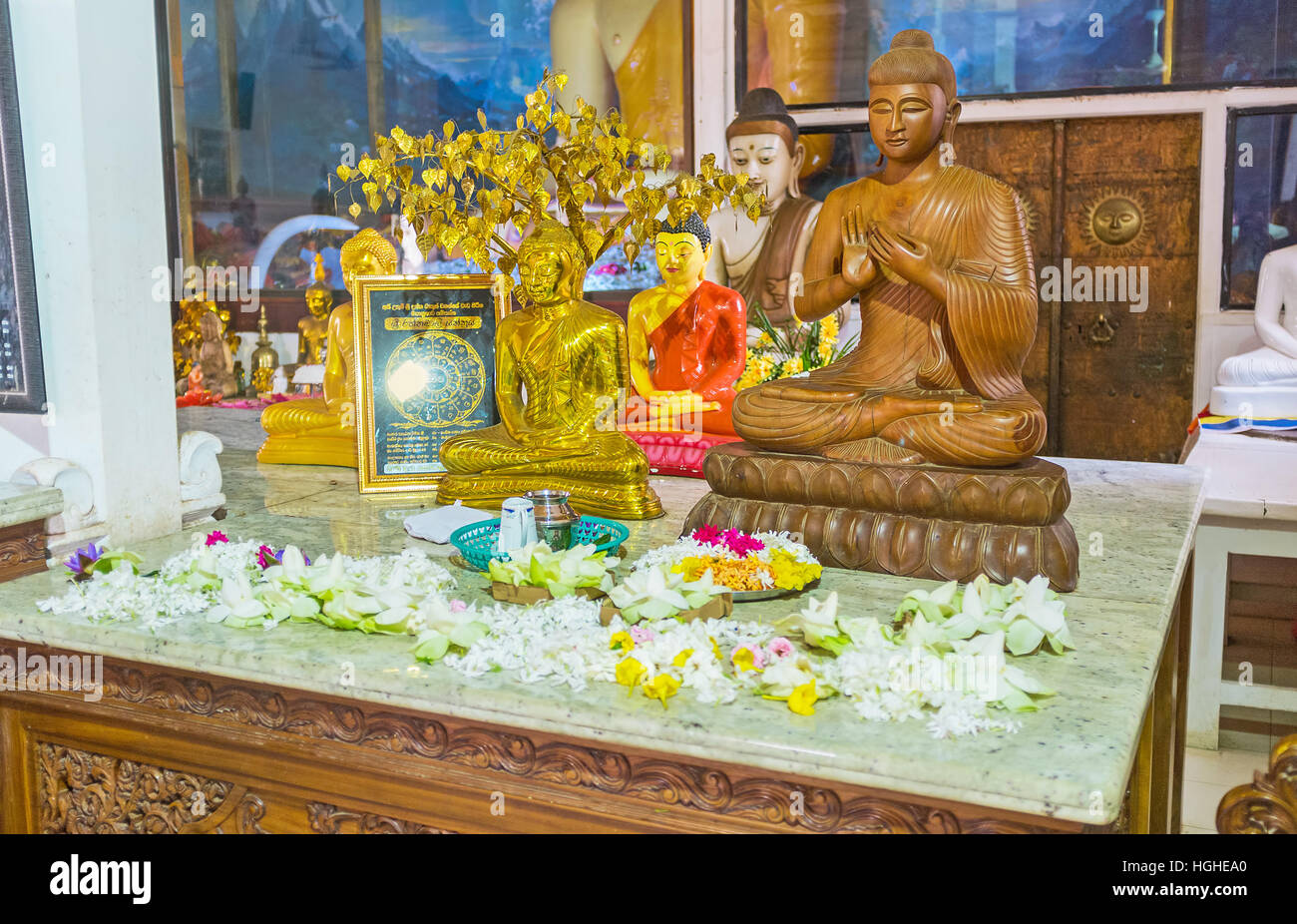
Bodhi tree: Connect to enlightenment
Home altar: Cultivate daily devotion
Warrior I becomes a sacred offering
🧾 14. Conclusion: Becoming the Warrior You Were Meant to Be
Warrior I is not just a pose—it’s a pathway to personal power. Through breath, movement, and intention, you awaken the warrior within.